


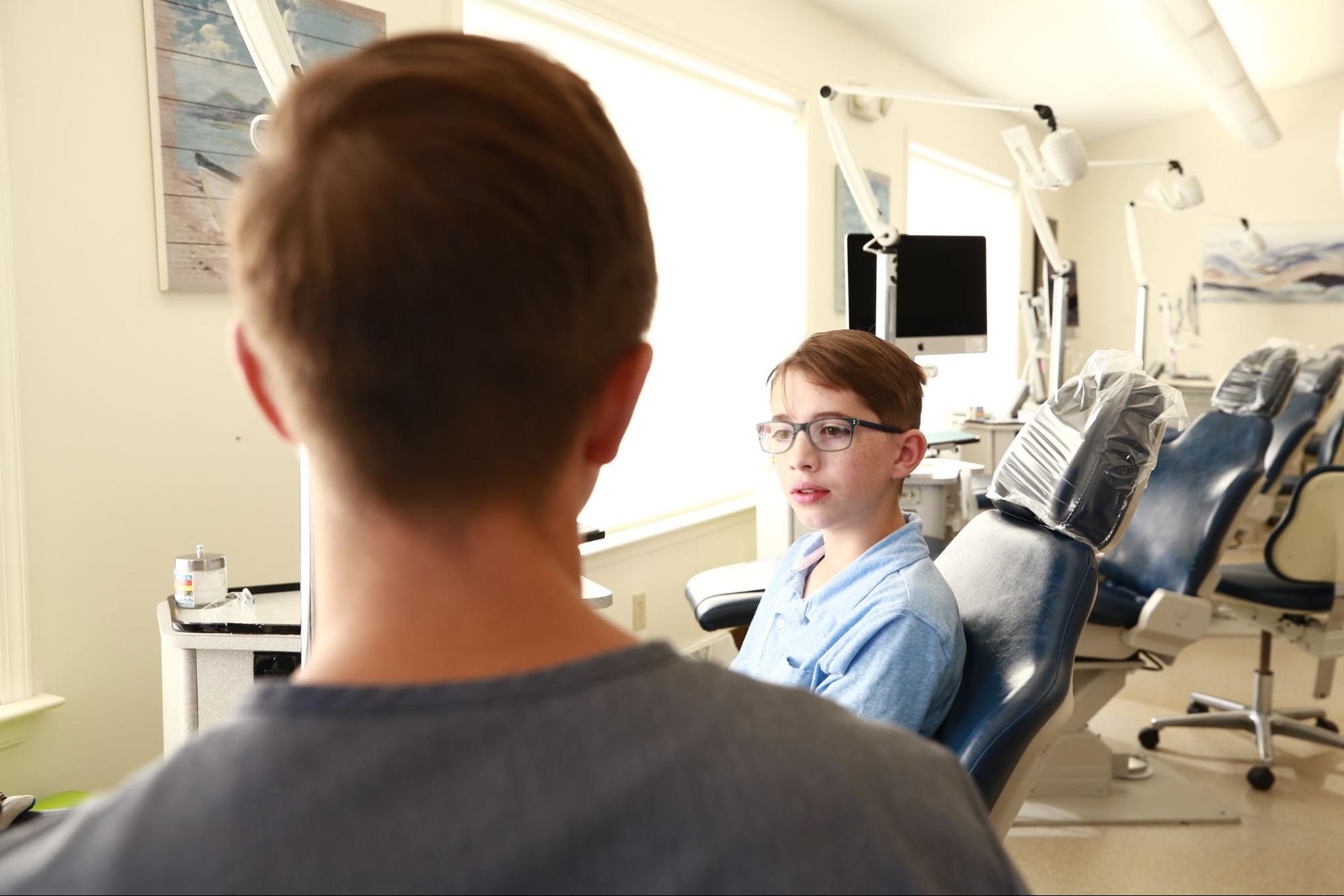
You can fix your bite with orthodontics at almost any age, and the results go far beyond a straighter-looking smile. A bite problem, or malocclusion, occurs when your upper and lower teeth don’t line up correctly when you close your mouth. This misalignment is common among adults. Common types include overbite, underbite, crossbite, open bite, and crowding. With the right treatment plan, you can enjoy easier chewing, better comfort, and a confident smile.
What Is a Bite Problem (Malocclusion)?
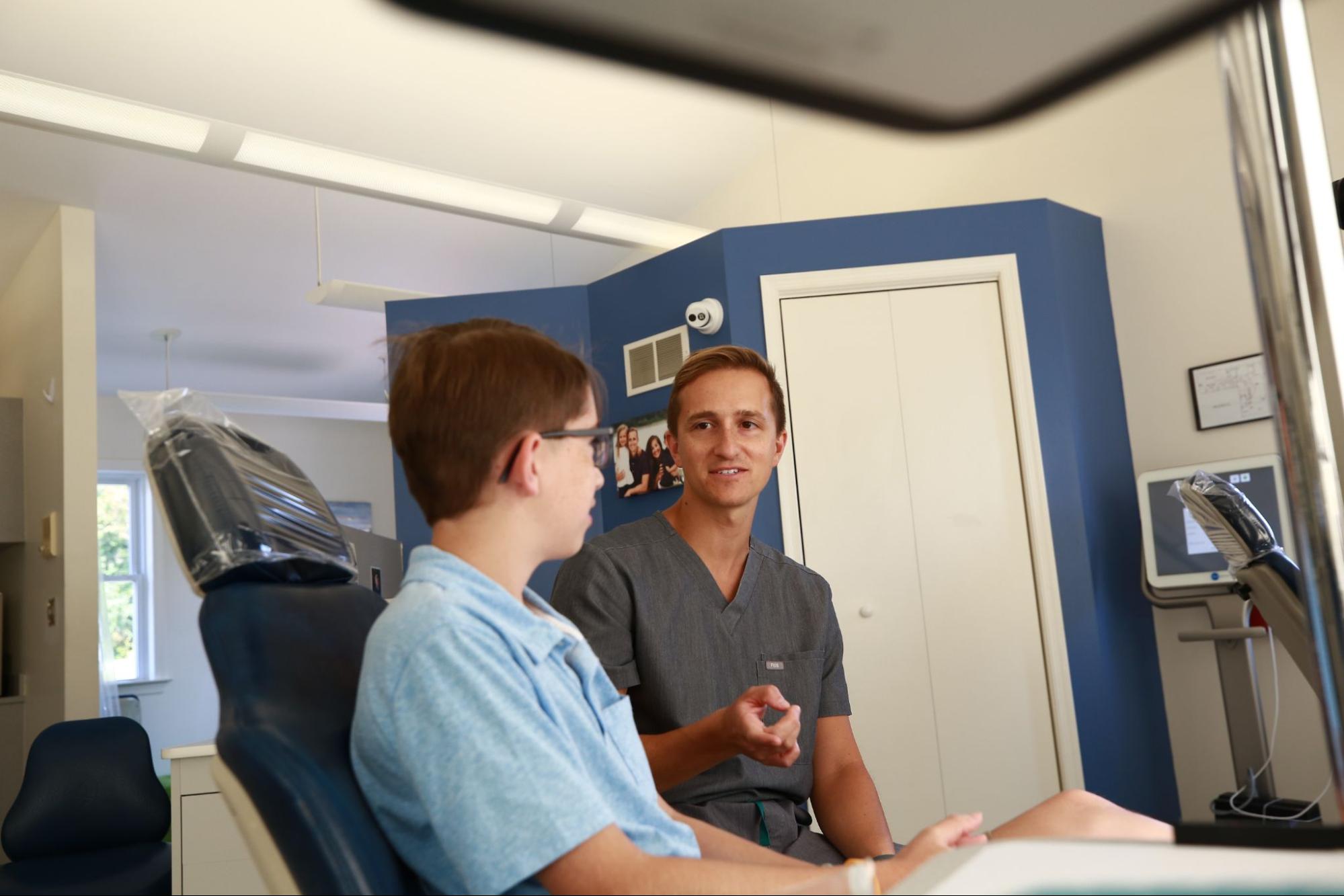
A bite problem happens when your teeth and jaws don’t meet the way they should. Genetics play a major role. Childhood habits like thumb-sucking can shift teeth over time. A mismatch between jaw size and tooth size creates crowding or spacing. Early tooth loss without proper space maintenance also contributes. Whatever the cause, Dr. Pedersen can evaluate your specific situation and recommend the right approach for families across York and New Freedom.
How Orthodontics Fixes Your Bite
Bite correction with orthodontics works by applying gentle, controlled forces that gradually shift teeth into proper alignment while guiding how the upper and lower jaws meet. The process starts with digital scans and a custom plan, followed by braces or aligners, often paired with elastics or other appliances to refine your bite.
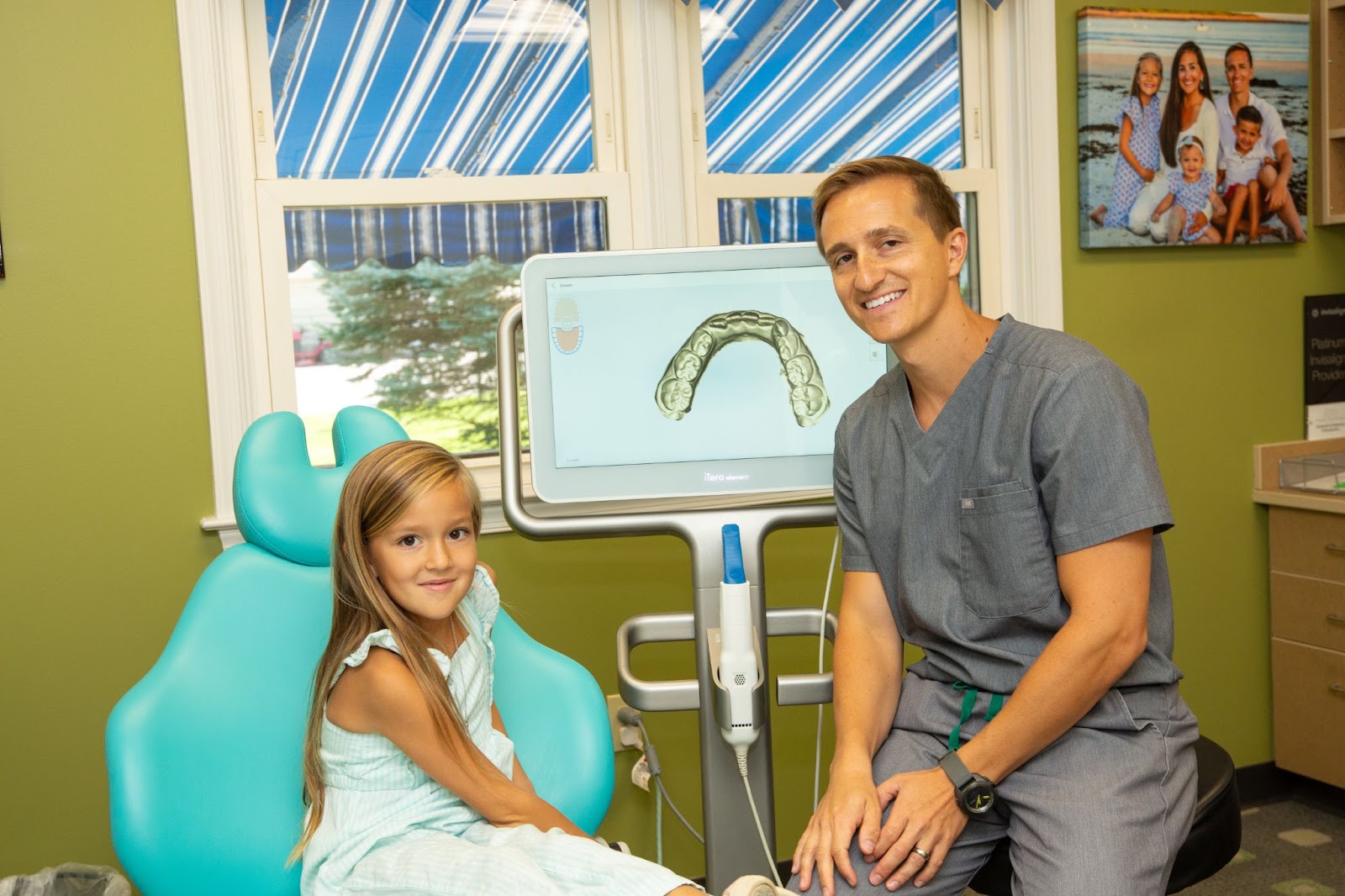
At your first free consultation, board-certified orthodontist Dr. Pedersen uses digital scans, X-rays, and a detailed bite analysis to understand exactly what’s happening with your teeth and jaws. No messy impressions needed.
From there, Dr. Pedersen creates a custom treatment plan based on your bite type and severity. Here’s how the process typically works:
- Diagnosis and planning: Digital scans capture your teeth in 3D, while X-rays reveal jaw structure and tooth roots
- Appliance selection: You’ll choose between metal braces, clear braces, or clear aligners based on your needs
- Active treatment: Braces or aligners apply gentle, controlled forces that shift teeth into proper alignment
- Bite refinement: Elastics, expanders, or attachments may be added to correct how your upper and lower jaws meet
- Retention: After treatment, retainers maintain your corrected bite for years to come
Treatment typically lasts 6 to 24 months depending on complexity. Many patients notice meaningful improvement within the first few months, though complete bite correction takes longer.
Benefits of Fixing Your Bite
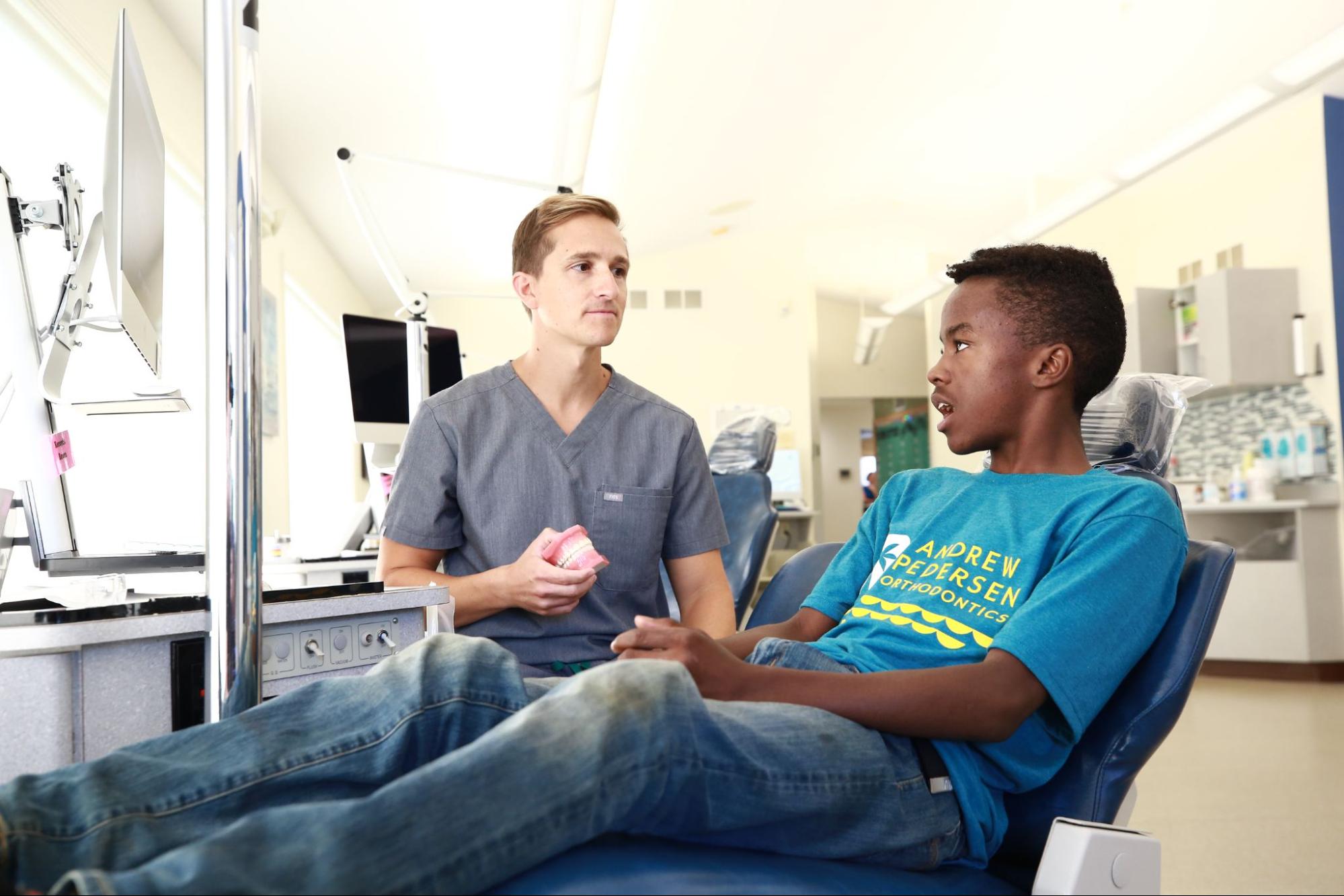
Fixing your bite improves daily function, reduces discomfort, supports long-term oral health, and boosts confidence. The functional benefits affect your daily life in meaningful ways.
How Does Bite Correction Improve Function?
A properly aligned bite makes chewing easier and can support better digestion. Many people notice clearer speech patterns once their teeth fit together correctly, and in some cases breathing improves too. Small daily tasks, like biting into an apple or speaking in front of others, simply feel more natural.
What Discomfort Does Bite Correction Reduce?
When your teeth meet correctly, your jaw doesn’t have to compensate. That usually means less jaw tension, fewer tension headaches, and reduced TMJ strain. You’re also far less likely to develop abnormal tooth wear, cracks, or chips from an uneven bite.
What Oral Health Benefits Result?
- Properly aligned teeth are easier to brush and floss
- Reduced risk of cavities and gum disease
- Less grinding and clenching damage
How Does Bite Correction Boost Confidence?
- A balanced, aligned smile you’re proud to show
- No more self-consciousness about your teeth
Braces vs. Clear Aligners for Bite Correction
Choosing between braces and clear aligners depends on your specific bite type and lifestyle preferences. All three main options are widely available, so you can find the right fit.
| Treatment Option | Best For | Visibility | Removable? |
|---|---|---|---|
| Metal braces | Complex bite issues, severe misalignment | Most visible | No |
| Clear braces | Moderate to complex cases, aesthetic concern | Less visible | No |
| Clear aligners | Mild to moderate cases, lifestyle flexibility | Nearly invisible | Yes |
Metal Braces
Metal braces remain the most versatile option. They handle complex bite corrections that require precise tooth movement and significant jaw adjustments. Today’s metal braces are smaller and more comfortable than older versions.
Clear Braces
Clear braces work the same way as metal braces but use tooth-colored or clear brackets. They’re a popular choice for adults and teens who want effective treatment with a subtler look.
Clear Aligners
Clear aligners are the most discreet option. They work well for mild to moderate bite issues and give you the freedom to remove them for eating and brushing. Severe jaw misalignment may still require braces, sometimes combined with elastics.
Treatment time is often similar across all options when you follow your orthodontist’s instructions carefully. The best approach for your bite can be determined during a free consult.
What Affects the Cost of Bite Correction
Cost varies widely from one patient to the next, and a handful of specific factors drive the difference. Here’s what typically shapes the total investment in bite correction:
- Severity of your bite problem: More complex cases require longer treatment
- Treatment method: Metal braces, clear braces, and aligners have different price points
- Treatment length: More visits and adjustments affect overall cost
- Auxiliary appliances: Expanders, elastics, or other tools add to the total
- Your insurance coverage: Many plans cover a portion of orthodontic treatment
Most orthodontic offices, including Andrew Pedersen Orthodontics serving York and New Freedom, offer flexible payments and will help you understand your insurance benefits. A free consult usually includes a clear breakdown of costs so there are no surprises. You can also review our insurance and financing information before your visit.
Who Is a Good Candidate for Bite Correction?
Children, teens, and adults can all benefit from bite correction. Healthy teeth can be moved at any age, which is why families across York and New Freedom seek treatment at every stage of life.
For children: The American Association of Orthodontists recommends an initial evaluation around age 7. At this age, Dr. Pedersen can spot developing issues and monitor growth patterns. Early evaluation doesn’t always mean early treatment, but it gives your orthodontist the chance to step in at the ideal time. Learn more on our orthodontics for children page.
Teens make up the most common age group for orthodontic treatment. Most permanent teeth have settled into place, and jaw growth can still be guided. You can review teen treatment options on our orthodontics for teens page.
For adults: You’re never too old to correct your bite. Adults with healthy teeth and gums respond well to treatment. Many adults seek bite correction after experiencing jaw discomfort, uneven wear, or chewing difficulty. Visit our orthodontics for adults page to learn more.
Good candidates share a few things in common: commitment to following treatment instructions, willingness to maintain good oral hygiene, and realistic expectations about the process. A free consult determines the best approach for your situation.
Frequently Asked Questions
How long does it take to fix a bite with orthodontics?
Most bite corrections take 12 to 24 months, though mild cases may finish in 6 to 12 months. Severe misalignment can extend treatment beyond two years. Your specific timeline depends on the type and severity of your bite problem, the treatment method you choose, and how closely you follow your orthodontist’s instructions.
Can clear aligners fix overbite and underbite?
Clear aligners can correct many overbite and underbite cases, especially mild to moderate ones. They work by gradually shifting teeth and, when combined with attachments or elastics, can address more significant bite issues. Severe jaw discrepancies may require braces or additional intervention. Dr. Pedersen can determine if clear aligners will work for your specific bite problem.
Does bite correction hurt?
You may experience some pressure or soreness after adjustments or when switching to new aligners. Most patients describe it as mild discomfort rather than anything sharp. Over-the-counter relievers and soft foods help during the first few days. The soreness typically fades within a week as your teeth adjust.
Will my bite shift back after treatment?
Teeth naturally want to move throughout life, which is why retainer wear is essential. After active treatment, you’ll wear your retainer full-time for about six months, then switch to nighttime wear. Following your retainer schedule keeps your corrected bite stable for years.
Can adults still correct bite problems?
Absolutely. Orthodontic treatment works for adults just as effectively as for children and teens. Many bite issues can be corrected as easily for adults as for younger patients at offices like Andrew Pedersen Orthodontics in York and New Freedom. Clear aligners and clear braces offer discreet options that fit adult lifestyles.
Do bite problems always need treatment?
Not every bite problem requires correction. Minor misalignment that doesn’t cause functional issues or discomfort may not need treatment. But bite issues that cause tooth wear, jaw discomfort, chewing trouble, or speech concerns typically benefit from correction. A free consult helps you understand whether treatment would improve your oral health and quality of life.
Ready to learn more about fixing your bite? A free consult with a board-certified orthodontist is the best way to understand which treatment option fits your needs. Schedule a visit to explore your options, or start with a virtual consultation from home.